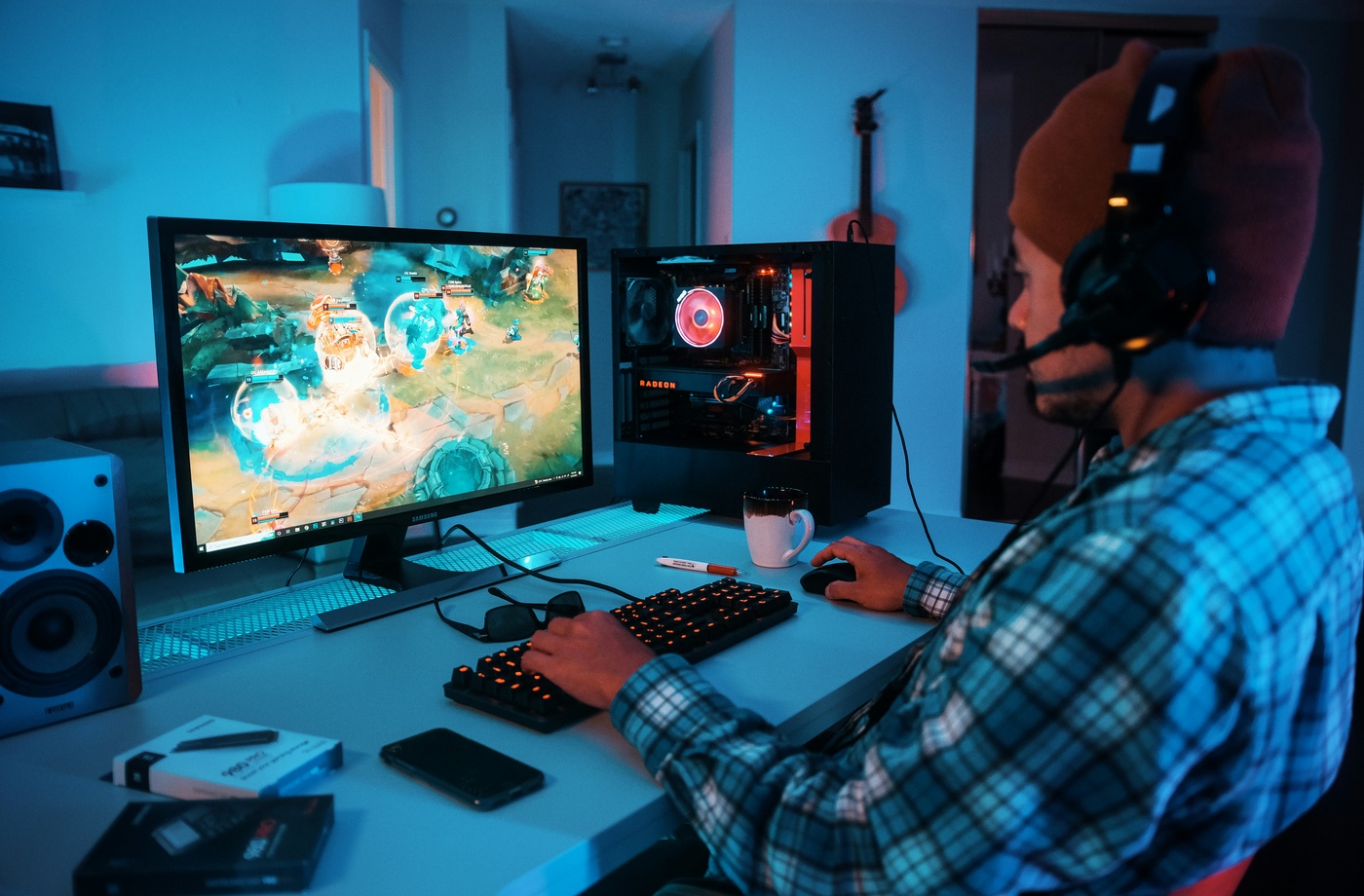
Introduction: What is Procedural Generation?
Procedural generation is a method in game design where content—such as levels, environments, or challenges—is created algorithmically rather than manually. This allows developers to craft massive worlds with vast, unpredictable environments without requiring the time and resources to build everything by hand. The result is an ever-changing game world that can offer infinite possibilities and replayability, providing players with fresh experiences every time they play.
This method has revolutionized game design by enabling developers to create expansive, detailed game worlds that feel unique, unpredictable, and dynamic. From the terrain you explore to the enemies you encounter, procedural generation adds a layer of depth and excitement to gameplay.
Benefits: Infinite Replayability and Massive Environments
One of the primary advantages of procedural generation is its ability to create vast, ever-changing environments. The world you explore in a game can be nearly limitless, offering an experience that feels unique each time you dive in.
- Infinite Replayability: Because content is generated based on algorithms, it can change every time you start a new game. This provides players with an incredible amount of replay value, as no two sessions are ever the same. Whether it’s discovering a new hidden treasure in Minecraft or exploring a procedurally generated planet in No Man’s Sky, the game world is constantly evolving.
- Massive, Dynamic Worlds: Procedural generation allows for worlds that feel expansive and alive. Instead of limiting players to small, hand-crafted environments, developers can create large, open worlds full of exploration, challenges, and surprises. The world is yours to shape, whether it’s a sprawling desert, dense forests, or towering mountains.
Notable Games Using Procedural Generation
Several high-profile games have used procedural generation to craft their worlds, setting the stage for the future of game design.
- No Man’s Sky: Perhaps one of the most famous examples of procedural generation, No Man’s Sky features a galaxy made up of 18 quintillion planets. The game uses procedural algorithms to generate planets, terrain, plants, animals, and entire ecosystems, offering a virtually endless universe for players to explore. Whether you’re flying between planets or diving into the depths of oceans, the content is dynamically created, ensuring every player has a unique experience. While you’re exploring, grab a snack from Baskin-Robbins to keep your energy up, or enjoy a relaxing break with a cozy gift from 1-800-Baskets.com.
- Minecraft: Minecraft is another game that leverages procedural generation to create expansive worlds. Players can explore infinite landscapes, build structures, or battle enemies in an ever-changing environment. The game’s blocky style may be simple, but its procedural generation makes each world unique, offering a fresh experience every time. To enhance your gaming experience, why not check out accessories from Amazon or stylish activewear from Aerie?
- Spelunky: In Spelunky, players explore a series of procedurally generated caves, filled with traps, treasure, and enemies. Each run is different, requiring players to adapt to new challenges and learn from their mistakes. The procedural levels in Spelunky create a constant sense of excitement and unpredictability. For a fun break between gameplay, grab a meal from Chili’s or enjoy a delicious treat from Cinnabon.
Challenges: Limits of Procedural Generation and Storytelling
While procedural generation offers vast potential, it is not without its challenges. One of the main concerns is that the technology often lacks the depth and nuance of a handcrafted experience. Here are some challenges developers face:
- Meaningful, Player-Driven Stories: One of the biggest limitations of procedural generation is creating meaningful narratives. While the environments are vast and varied, it can be difficult to generate compelling, player-driven stories. A game world built solely on procedural content may lack the structure and emotional depth that players experience in more linear, story-driven games. However, games like No Man’s Sky have incorporated narrative elements within procedurally generated worlds, offering missions and events that evolve with the player’s journey.
- Consistency and Balance: Procedurally generated worlds can sometimes feel random or inconsistent. Without careful design, these worlds might lack the balance and cohesion that make hand-crafted worlds feel polished. Ensuring that the gameplay remains engaging, even in an unpredictable environment, can be a challenge. Games that blend procedural generation with curated content (like Spelunky or Minecraft) strike a balance between randomness and intentional design, providing structure without sacrificing creativity.
- Technical Limitations: The complexity of procedural generation can lead to technical hurdles. Some games may struggle with performance issues or bugs, as the algorithmically generated content might not always mesh well with the rest of the game’s systems. Developers continue to refine the technology to minimize these problems, but it remains an ongoing challenge.
The Future of Procedural Generation in Game Design
The future of procedural generation holds exciting possibilities. As technology advances, the scope and sophistication of procedurally generated worlds will continue to expand. We may see even larger, more complex environments, with richer storylines and deeper player experiences.
- Improved AI: As artificial intelligence improves, we may see more dynamic, player-driven interactions in procedurally generated worlds. NPCs could behave in ways that feel more organic, responding to the player’s actions and creating more meaningful narratives.
- Hybrid Systems: Future games may blend procedural generation with handcrafted elements, offering the best of both worlds. By combining vast, unpredictable environments with curated storylines and carefully designed content, developers can craft richer, more immersive experiences.
- More Personalization: Games may also use procedural generation to tailor experiences more closely to individual players. Using data about a player’s actions, preferences, or style of play, the game world could evolve in a way that is uniquely suited to each person.
As this technology continues to evolve, players will have the opportunity to experience more expansive, varied, and immersive worlds than ever before.
Conclusion
Procedural generation has revolutionized the way we experience video games, providing us with massive, dynamic worlds that offer endless replayability. Games like No Man’s Sky, Minecraft, and Spelunky show the power of this technology in creating worlds that feel alive and unique. While challenges remain, the future of procedural generation promises even more exciting and immersive gaming experiences.For those interested in expanding their gaming experiences or taking a break with some entertainment, Fluz merchants like AMC Theatres, Amazon, and Starbucks are great options for additional enjoyment while you dive deeper into these procedurally generated worlds.