Introduction: What is Augmented Reality (AR) and How Does It Differ from Virtual Reality (VR)?
Augmented Reality (AR) is a technology that overlays digital content onto the real world, enhancing the user’s interaction with their environment. Unlike Virtual Reality (VR), which immerses users in a fully virtual world, AR integrates digital elements into the physical world in real time. This allows players to experience games and applications with the real world around them, creating a hybrid experience that blurs the lines between the two.
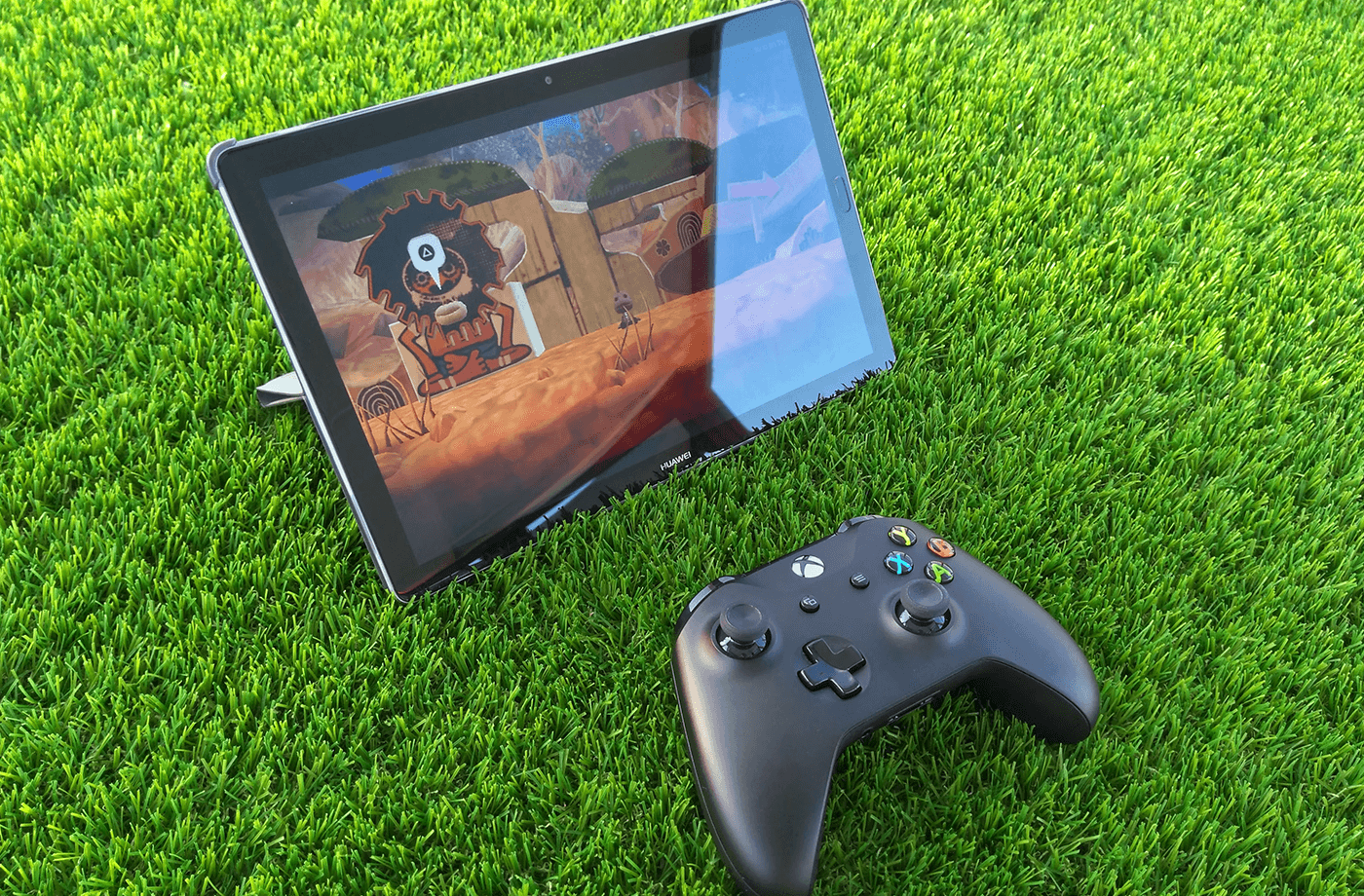
While VR requires special headsets and equipment to transport users into a completely virtual environment, AR is accessible on mobile devices, tablets, and even through consoles, making it a more versatile and accessible technology for gaming. AR’s ability to blend real and virtual worlds is pushing the boundaries of how games are played and experienced.
AR in Mobile Games: The Success of Pokémon GO
One of the most popular examples of AR in gaming is Pokémon GO. Released in 2016, this mobile game revolutionized the way we think about gaming by integrating AR into the real world. Players use their smartphones to catch virtual Pokémon that appear in real-world locations. By encouraging physical movement and outdoor exploration, the game quickly became a cultural phenomenon, attracting millions of players globally.
Pokémon GO’s success lies in its ability to create an immersive experience that blends digital content with real-world exploration. The game’s AR functionality allows players to see Pokémon through their phone’s camera and place them in the real world, making the experience feel more lifelike. Additionally, events like community days and themed in-game activities have kept players engaged, further cementing its success in the mobile gaming world.
Another key factor in the game’s success is its partnerships with real-world businesses. Players can earn rewards by visiting specific locations, such as 1-800-Flowers or local Starbucks, boosting foot traffic to these businesses and promoting brand engagement through AR. This integration of virtual rewards with real-world commerce is a glimpse into the future of gaming, where physical and digital economies overlap.
AR and Console Games: Expanding the Console Gaming Experience
While mobile games like Pokémon GO made AR a household name, console games are also beginning to incorporate augmented reality features. Both PlayStation and Xbox are exploring how AR can enhance the gaming experience, although the technology is still in its early stages compared to mobile applications.
The PlayStation VR headset, for example, offers limited AR features that combine elements of the real world with virtual environments. Games like PlayStation VR Worlds showcase how virtual reality and augmented reality can merge, providing a more immersive experience where players interact with both digital and physical elements. However, as technology improves, we can expect more AR-driven content on consoles, providing even more interactive and engaging gameplay experiences.
Similarly, Xbox has begun integrating AR in some of its games, leveraging the Kinect and the power of augmented reality for interactive gaming experiences. These innovations are still in the development phase, but as AR technology continues to evolve, we can expect more advanced features that bridge the gap between virtual worlds and physical surroundings.
The Future of AR in Gaming: A New Era of Gameplay and Interaction
Looking ahead, AR will continue to reshape how we play and interact with games. Upcoming titles are likely to push the boundaries of player interaction by incorporating more immersive AR features. The integration of AR will likely involve elements like geolocation-based gameplay, interactive objects, and social features that merge the physical and virtual worlds in unprecedented ways.
One area where AR could have a significant impact is in multiplayer games. Imagine a scenario where players, through their mobile phones or AR glasses, can see each other’s avatars in the real world, engaging in live battles or cooperative tasks. This could add an entirely new dimension to online gaming, making it more interactive and socially engaging.
As gaming consoles and mobile devices continue to advance, AR’s role in the industry will expand. Future games may feature enhanced AR experiences, such as 360-degree gameplay, where players can interact with their surroundings while navigating through both digital and physical elements. This could change how we approach storytelling in games, enabling more immersive narratives and personalized experiences.
Brands are already exploring how AR can enhance the consumer experience within games. Retailers like Amazon and gaming giants such as GameStop are integrating AR features into their shopping experiences, allowing users to view products in augmented reality before making purchases. This is an early glimpse into the potential future of retail and gaming, where AR will enhance the entire ecosystem.
Conclusion
Augmented Reality is transforming modern gaming by offering new ways to interact with digital content and the world around us. From the success of Pokémon GO to the evolving features in PlayStation and Xbox, AR is playing an increasingly important role in how we experience gaming. As technology advances, we can expect even more immersive and interactive gameplay, where the digital and physical worlds collide.For gamers and tech enthusiasts looking to experience the cutting edge of AR, retailers like Amazon offer a range of devices and accessories to enhance the AR experience. Whether you’re purchasing AR-ready gaming consoles or mobile devices, these merchants are key to supporting your journey into augmented reality gaming.